More about manual wheelchairs
This category brings together the manual wheelchairs from each of our subcategories, from compact transport chairs and reinforced heavy-duty frames to reclining and tilt-in-space seating, one-arm drive models and chairs sized for children. Each subcategory focuses on one type, so this page is the place to work out which type fits before comparing individual chairs.
The types differ in three main ways: who moves the chair, how the frame is built, and how the seat supports the user through the day. Settling those three points first turns a wide selection into a short list of chairs worth comparing in detail.
Benefits of a manual wheelchair
A manual wheelchair needs no battery or charger, so it is ready to use whenever it is needed. With no motor or battery pack on board, the frame stays simple, which can make the chair easier to lift into a vehicle, store at home and keep in good working order.
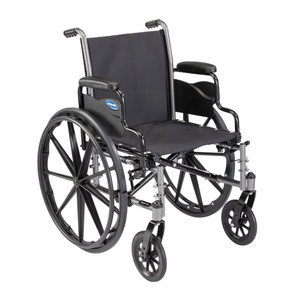
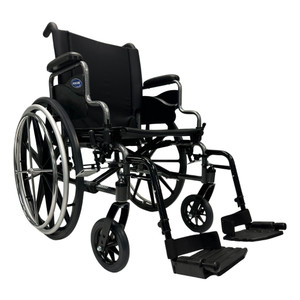
Manual chairs also adapt to different routines. Self-propelled models have large rear wheels with hand rims and can also be pushed by a caregiver, while transport models are designed for caregiver-assisted trips. Seat size, armrest style and front riggings such as swing-away footrests or elevating legrests vary from model to model, which helps match the chair to the user's body and daily activities.
Choosing the type of manual wheelchair
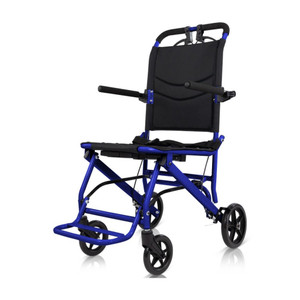
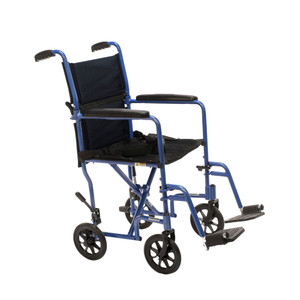
Start with who will move the chair. Transport wheelchairs run on four small wheels and are designed to be pushed by a caregiver, which keeps them compact for short trips, appointments and car travel. Users who propel themselves need a chair with large rear wheels and hand rims, and for someone who has the use of one arm, one-arm drive wheelchairs are designed so propelling and steering can be done from one side.
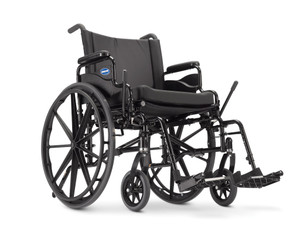
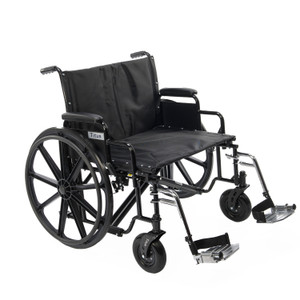
Next, match the frame to the user and the routine. Standard and lightweight wheelchairs cover everyday needs at home and around town. High-strength lightweight wheelchairs are designed to keep frame weight down for users who propel, fold and lift the chair often. Heavy-duty wheelchairs provide reinforced frames, wider seats and higher weight capacities for users who need them.
Then consider how the user needs to sit. For someone who spends long stretches in the chair or needs to change position during the day, reclining wheelchairs lower the backrest while the seat stays level, and tilt-in-space wheelchairs tilt the seat and back together so the angle between them stays the same. Each approach shifts body position in a different way, and a seating professional can help decide which one suits the user.
Two more subcategories serve specific needs. Pediatric wheelchairs are sized for children, and customizable wheelchairs let you choose the seat dimensions, wheels and casters, armrests and other components for the individual user.
How to choose
Once the type is clear, the points below help compare chairs within it on fit and everyday practicality.
- Measure the user. Seat width, seat depth and back height shape comfort and posture; our wheelchair sizing guide explains each measurement.
- Check the weight capacity. Choose a chair whose published capacity suits the user, and look at heavy-duty models when a standard frame does not.
- Decide who propels it. Self-propelling calls for large rear wheels with hand rims; caregiver-only use opens up transport chairs.
- Consider how often it will be lifted. If the chair goes in and out of a car regularly, compare frame weight and how the chair folds.
- Think about time in the chair. Users who sit for long periods can look at reclining or tilt-in-space seating and at a supportive cushion and backrest.
- Choose the armrests and front riggings. Armrest style affects how close the user can sit to a table, and swing-away footrests or elevating legrests change how transfers and leg positioning work.
- Check the seat-to-floor height. It affects transfers, table clearance and whether the user's feet can reach the floor.
Specifications vary between models, so review the listed dimensions, capacity and options on each product page. If you would like help comparing chairs, contact Aracent Healthcare and our team can help narrow the options.
Frequently asked questions
What is a manual wheelchair?
A manual wheelchair is a mobility device that is propelled by the user or pushed by a caregiver without the use of a motor.
Who should use a manual wheelchair?
Manual wheelchairs are ideal for individuals who have upper-body strength or have assistance from a caregiver.
Are manual wheelchairs foldable?
Many manual wheelchairs feature foldable frames for easier storage and transport.
What types of manual wheelchairs are available?
Common types include lightweight, transport, reclining, and heavy-duty wheelchairs.
Can manual wheelchairs be customized?
Yes, many models offer adjustable seat widths, armrests, footrests, and accessories.