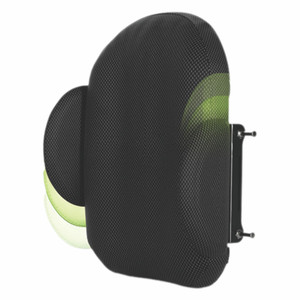
More About Tilt & Recline Backrests
Why Choose a Tilt/Recline Backrest?
When a wheelchair tilts or reclines, the user’s back can shift against the support surface. Over time, that movement may cause discomfort, poor positioning, or increased stress on the skin. Tilt/recline backrests are built to better accommodate this movement than standard backrests.
These backrests are a good choice for users who:
- Use a tilt-in-space or reclining wheelchair throughout the day
- Need a backrest designed to reduce shear during repositioning
- Experience sliding, friction, or discomfort with a standard sling back
- Require a supportive backrest that works with changing seat angles
- Need a replacement back designed for complex rehab-style seating systems
Designed for Dynamic Seating Movement
Unlike many standard positioning or contour backrests, tilt/recline backrests are made for wheelchairs where the back angle changes regularly. Their hardware, shell design, and upholstery system are intended to support the user while helping reduce the skin stress that can occur as the chair moves through tilt or recline.
This makes them especially useful for individuals who rely on tilt or recline for pressure relief, rest, feeding, respiratory support, or caregiver-assisted repositioning.
Shop Tilt/Recline Wheelchair Backrests
Aracent Healthcare offers wheelchair backrests designed for tilt-in-space and reclining wheelchair applications. These backrests help upgrade a standard sling back with supportive, shear-reducing features that are better suited for chairs with dynamic back-angle movement.
Frequently Asked Questions
What are tilt and recline wheelchair backrests?
Tilt and recline wheelchair backrests are specialized seating supports designed to be used with tilt-in-space and reclining wheelchairs. Unlike standard backrests, they are built to maintain proper support and positioning as the chair changes angles. Many tilt/recline backrests also include shear reduction features, which help minimize friction and sliding between the user’s back and the backrest during tilting or reclining. This helps keep the user properly aligned while also reducing skin irritation and discomfort that can occur from repeated movement.
Are these backrests compatible with tilt-in-space and reclining wheelchairs?
These backrests are specifically designed for use with tilt-in-space and reclining wheelchairs, but compatibility depends on the wheelchair’s frame, mounting system, and dimensions. Not all backrests fit every wheelchair, so it’s important to confirm that the mounting hardware and size match your specific model before purchasing.
Why use a specialized backrest for tilt or recline wheelchairs?
Standard backrests may not provide adequate support when a wheelchair is tilted or reclined. A backrest designed for tilt and recline systems helps maintain consistent contact with the user’s back, reducing shifting, improving posture, and supporting comfort across different positions. This is especially important for users who rely on frequent repositioning throughout the day.
Do tilt and recline backrests help with positioning and posture?
Yes, these backrests are designed to support proper spinal alignment and trunk positioning, even as the wheelchair changes angles. They can help reduce slouching, leaning, or loss of contact with the back support. When combined with the right cushion and positioning accessories, they play a key role in maintaining a stable and comfortable seating system.
Can these backrests help with pressure relief?
While the backrest itself does not replace a pressure-relief cushion, it supports better positioning, which can improve overall pressure distribution. By maintaining proper contact and alignment during tilt and recline, these backrests help ensure the seating system works as intended. They are often used as part of a broader pressure management strategy.
Are tilt and recline wheelchair backrests adjustable?
Many of these backrests offer adjustability in areas such as height, angle, contour, and mounting position. This allows caregivers or users to better match the backrest to the user’s body and seating needs. Proper adjustment is important to avoid gaps, pressure points, or discomfort.
How do I choose the right backrest for a tilt or reclining wheelchair?
Choosing the right backrest depends on several factors, including the user’s body size, level of support needed, wheelchair type, and mounting compatibility. It’s important to consider whether the user needs basic support or more advanced positioning features such as contouring or lateral support. Measuring the wheelchair and reviewing compatibility requirements can help ensure the correct fit.
Can these backrests be used for long-term seating?
Yes, many tilt and recline wheelchair backrests are designed for long-term daily use. They are commonly used in home care, rehabilitation, and long-term care settings where users spend extended periods in their wheelchair. Durability, proper fit, and regular adjustments are important for maintaining comfort over time.