Choosing a Wheelchair Backrest
The right wheelchair backrest depends on how much support the user needs, how much upper-body movement they need to maintain, and how the backrest will integrate with the wheelchair.
Some users are simply looking for an upgrade from flexible sling upholstery. Others need a more structured seating surface as part of a positioning system. Wheelchair backrests are available in different heights, widths, contour depths, shell designs, mounting configurations, and support levels to accommodate these different needs.
Why Upgrade From Sling Back Upholstery?
Traditional wheelchair sling upholstery provides a flexible support surface, but it can stretch or sag with use. As the upholstery changes shape, it may provide less consistent support behind the pelvis and trunk.
An upgraded wheelchair backrest can provide a more stable and repeatable seating surface. Depending on the design, it may also provide greater lateral trunk support, adjustable contouring, improved lumbar support, or a more supportive interface for users who spend extended periods in their wheelchair.
Not every user requires a rigid contoured backrest. Tension-adjustable back supports provide another option for users who want to customize the shape and support of a flexible back surface without moving to a rigid shell.
Types of Wheelchair Backrests
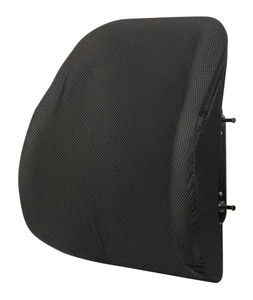
Positioning and support backrests provide greater structure than basic wheelchair sling upholstery. Options range from adjustable tension systems to rigid contoured backs designed to support the pelvis and trunk.
These backrests may be appropriate for users who need improved seated stability, more consistent trunk support, or greater adjustability than a standard upholstered wheelchair back can provide.
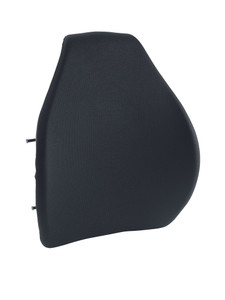
Active lifestyle backrests are designed to balance postural support with mobility and upper-body freedom.
Lower-profile and lightweight backrest designs can be especially important for active manual wheelchair users who need room for shoulder and arm movement during propulsion, transfers, reaching, and other daily activities. The appropriate back height and contour should provide the needed support without unnecessarily limiting functional movement.
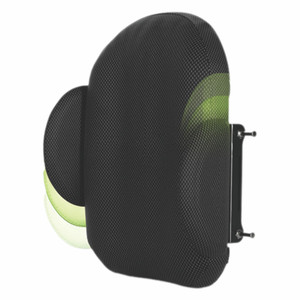
Deep contour wheelchair backrests provide increased lateral contact around the trunk compared with shallower contoured backs.
The additional contour can provide greater trunk stability and positioning support for users who need more lateral support to maintain a consistent seated position. Because deeper contours surround more of the trunk, the appropriate depth should be selected according to the user's body dimensions, trunk control, positioning needs, and functional movement.
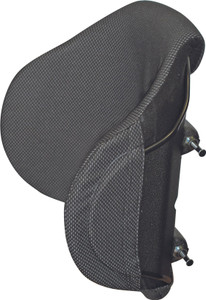
Wheelchair users who rely on tilt, recline, or both may require a backrest designed to maintain appropriate support as the seating system changes position.
These backrests may incorporate taller support surfaces, pressure-management materials, or other features intended for users who spend significant time in tilt or recline. Compatibility with the wheelchair's seating system, head support, mounting hardware, and other positioning components should be considered when selecting a backrest for these applications.
How to Choose a Wheelchair Backrest
Consider the Level of Positioning Support
Start with how much structure the user needs from the backrest.
A tension-adjustable back may be appropriate when the goal is to improve the shape and support of a flexible seating surface. A rigid contoured back provides a more defined support surface and is available in different contour depths for users who need more consistent pelvic and trunk positioning.
Users with more involved postural needs may require deeper contouring, adjustable lateral support, or other positioning components as part of the overall seating system.
Choose the Appropriate Contour Depth
Contour depth describes how far the sides of a rigid backrest extend around the user's trunk.
Shallower contours generally provide support while leaving more room for upper-body movement. Deeper contours increase lateral trunk contact and can provide additional positioning and stability.
More contour is not automatically better. The goal is to provide the amount of support the user needs while preserving appropriate comfort and functional movement.
Select the Right Backrest Width
Backrest width should correspond to the user's body dimensions as well as the wheelchair and mounting configuration.
A back that is too narrow may create unwanted contact or restrict positioning, while an unnecessarily wide back may provide less effective lateral support. Because mounting ranges vary between backrest systems, the selected backrest width should also be checked against the wheelchair's back-cane spacing.
Consider Backrest Height and Upper-Body Function
Backrest height affects both trunk support and available upper-body movement.
Lower backrests can allow greater shoulder and scapular movement, which may be important for active manual wheelchair propulsion and transfers. Taller backrests provide support over a greater portion of the trunk and may be preferable for users who need additional postural stability or use other seating components such as head supports.
Backrest height should therefore be selected according to the user's trunk control, posture, wheelchair type, and daily activities rather than simply matching the height of the wheelchair's original upholstery.
Check Wheelchair and Mounting Compatibility
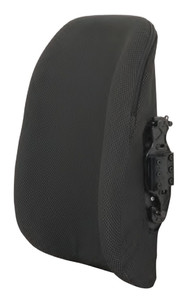
Rigid wheelchair backrests typically attach to the wheelchair's back canes using model-specific mounting hardware.
Before ordering, verify the backrest width, wheelchair back-cane spacing, back-cane diameter, and mounting-hardware requirements. Some systems also provide adjustment for backrest depth, angle, or rotation, which can help fine-tune the installed position.
Hardware compatibility varies between products, so review the specifications for the exact backrest and size being considered.
Consider Comfort, Foam and Cover Options
The interface between the user and backrest can be just as important as the shell itself.
Depending on the backrest, options may include different foam constructions, softer or more immersive support surfaces, breathable upholstery, moisture-resistant covers, lumbar positioning components, and other comfort features.
Users who are sensitive to pressure, spend extended periods seated, or have specific skin-protection needs should consider these features along with the backrest's positioning characteristics.
Rigid vs. Tension-Adjustable Wheelchair Backrests
Rigid and tension-adjustable backrests provide different types of support rather than representing different levels of quality.
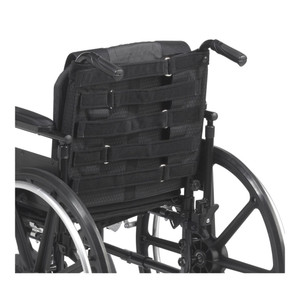
A tension-adjustable backrest uses adjustable straps to change the contour and support of a flexible back surface. It can provide improved lumbar and trunk support compared with basic sling upholstery while retaining a more flexible interface.
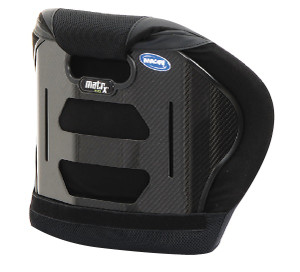
A rigid wheelchair backrest uses a formed shell to create a consistent support surface. Rigid backs are available in multiple contours and configurations and may be preferable when more repeatable pelvic and trunk positioning or defined lateral support is required.
The appropriate choice depends on the user's seating needs, wheelchair configuration, and desired level of support.
Frequently Asked Questions
What is a wheelchair backrest?
A wheelchair backrest is the support surface behind the user's pelvis and trunk. It may replace or supplement standard wheelchair back upholstery and can provide greater stability, positioning support, comfort, or adjustability depending on its design.
Wheelchair backrests range from flexible tension-adjustable systems to rigid contoured seating backs.
Why replace standard wheelchair sling upholstery?
Wheelchair sling upholstery can stretch or sag over time, which may reduce the consistency of the support it provides.
Replacing or upgrading the original back upholstery can provide a more stable support surface and may offer additional contouring, lumbar support, or trunk positioning depending on the backrest selected.
What does backrest contour depth mean?
Contour depth describes how far the sides of a contoured wheelchair backrest extend around the user's trunk.
A shallower contour generally provides less lateral contact and greater freedom of upper-body movement. A deeper contour surrounds more of the trunk and can provide additional lateral support and stability.
The appropriate contour depends on the user's positioning needs and functional abilities.
How do I choose wheelchair backrest height?
Backrest height should be selected according to the amount of trunk support the user needs and the upper-body movement they need to maintain.
Active manual wheelchair users may benefit from a lower back that allows greater shoulder movement, while users who need more trunk support may require a taller backrest. The user's posture, trunk control, wheelchair type, and other seating components should all be considered.
Will a wheelchair backrest fit any wheelchair?
No. Compatibility depends on several factors, including backrest width, wheelchair back-cane spacing, cane diameter, mounting hardware, and the wheelchair's seating configuration.
Always review the mounting specifications for the exact backrest before ordering.
What is the difference between a standard and deep-contour backrest?
A standard-contour rigid backrest provides moderate lateral contact around the trunk while generally preserving more freedom of movement.
A deep-contour backrest extends farther around the trunk to provide increased lateral contact and positioning support. Deep-contour backs may be appropriate for users who need greater trunk stability than a shallower backrest provides.
Do I need a rigid or tension-adjustable backrest?
It depends on the type of support required.
A tension-adjustable back can improve the contour and support of a flexible seating surface and may be appropriate when adjustable lumbar or trunk support is the primary goal. A rigid contoured back provides a more defined and repeatable support surface and offers greater options for contour depth and positioning.
Users with more complex postural or seating needs may benefit from evaluation by a qualified wheelchair seating professional.
Find the Right Wheelchair Backrest
Choosing a wheelchair backrest involves more than selecting a width. Consider the level of positioning support required, contour depth, backrest height, wheelchair application, mounting compatibility, and the user's need for upper-body movement.
Browse our Positioning & Support, Active Lifestyle, Deep Contour, and Tilt/Recline wheelchair backrests to narrow the selection by seating need. If you are unsure which type is appropriate, contact Aracent Healthcare with the wheelchair model, back-cane measurements, and the user's general support requirements, and we can help identify compatible options.