
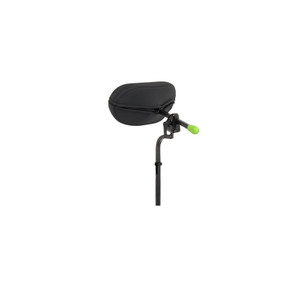
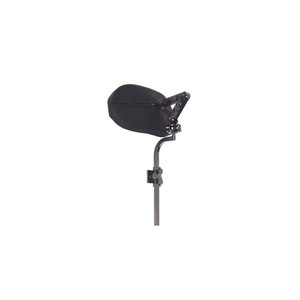

More about Headrest Hardware
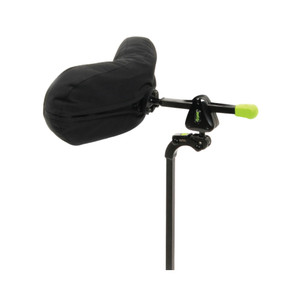
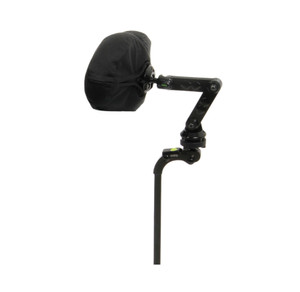
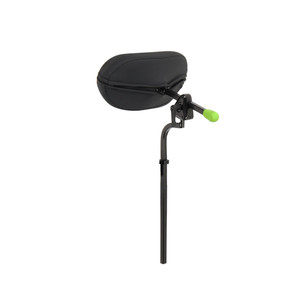
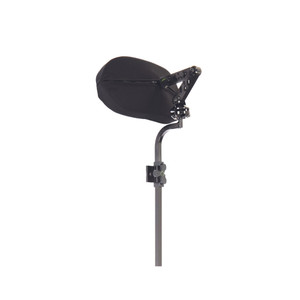
Wheelchair headrest hardware connects a compatible head support pad to the wheelchair backrest and provides the adjustment needed to establish a useful position. The category covers several types of hardware: standard adjustable mounts that hold the head support in its working position, flip-back mounts that let the support move aside, compact versions for smaller chairs or tighter mounting areas, and mounting plate kits that provide an attachment point on a compatible backrest.
The hardware is only one part of the complete head support assembly. If you are also selecting a pad or comparing complete support options, visit our Headrests category. Before ordering hardware, confirm the backrest mounting interface, headrest compatibility, available space behind the chair, and whether the hardware needs to move out of the way during transfers.
Benefits of properly matched wheelchair headrest hardware
A headrest pad cannot provide consistent support if its mounting hardware does not hold the intended position. Properly matched wheelchair headrest hardware creates a stable connection between the backrest and pad while allowing the support to be adjusted for the user’s height, seated posture, and support needs. Depending on the model, adjustments may include height, depth, angle, or a combination of these positioning points.
Reliable adjustment also matters during everyday wheelchair use. Once the desired position has been established, suitable hardware can help the head support return to a familiar location after routine adjustments or access behind the chair. This can be particularly important for users with limited head or trunk control, users of tilt or recline systems, and people who spend extended periods in their wheelchairs.
Hardware selection can also affect the caregiver’s experience. A flip-back mechanism can move the pad and its mounting arm away from the user when more clearance is needed, while a standard configuration may suit situations where the support generally remains in place. Compact hardware can provide similar positioning capability in a more compact format when a smaller wheelchair frame or limited rear clearance makes full-size hardware impractical.
Choosing the correct interface, flip-back function, and hardware size
The central decision is not simply which headrest hardware looks appropriate. The mounting interface must fit the wheelchair backrest and work with the selected headrest pad. Brackets, mounting systems, and mounting plates are not interchangeable by appearance alone, so model names, connection points, and manufacturer compatibility should be checked before purchase.
Next, consider whether the support should remain mounted in its working position or move aside for transfers and caregiving tasks. Standard configurations are designed for positioning the headrest in place. Flip-back options add a function that can provide clearance without requiring the entire assembly to be removed. This may be useful during assisted transfers, sling placement, upper-body care, or situations where a caregiver frequently works behind the user.
Finally, compare standard and compact hardware according to the wheelchair’s scale and the amount of adjustment required. Compact versions are intended for smaller frames and tighter mounting areas, but compact size should not be selected at the expense of the necessary positioning range. Think of the hardware as the bridge between the backrest and the pad: it must fit both sides of the connection and place the support where the user actually needs it.
How to choose
Begin with the wheelchair and backrest rather than the appearance of the hardware. Identify the backrest manufacturer and model, inspect the existing mounting points, and determine whether a separate mounting plate is required. If you are replacing an existing assembly, the part number on the current hardware may be more useful than a visual comparison.
Then consider how the wheelchair is used throughout the day. A chair used with assisted transfers may benefit from flip-back access, while a compact wheelchair may call for compact hardware. The selected configuration should also offer enough adjustment to place the compatible pad without interfering with push handles, recline components, tilt mechanisms, oxygen holders, or other equipment mounted behind the backrest.
- Backrest interface: Verify that the bracket or mounting plate is designed for the specific wheelchair backrest. Do not assume that components from the same manufacturer share the same mounting pattern.
- Headrest pad connection: Confirm that the hardware connects to the intended pad or headrest assembly. The pad and mounting hardware may be sold separately.
- Standard or flip-back operation: Choose a standard configuration when the support can remain in place, or consider flip-back hardware when caregivers need regular access around the user’s head and shoulders.
- Standard or compact format: Compare the available mounting area, frame size, rear clearance, and required adjustment range before selecting compact hardware.
- Positioning range: Review available height, depth, and angle adjustment. The required range depends on the user’s posture, backrest shape, and head support placement.
- Clearance behind the chair: Check for push handles, rigidizer bars, bags, power seating components, and other accessories that could limit movement or adjustment.
- Transfer routine: Consider whether the head support needs to swing away, be removed, or stay in position during transfers and personal care.
- Professional recommendations: For complex seating needs, involve the user’s clinician, assistive technology professional, or seating specialist before changing the head support setup.
Measurements should be taken with the wheelchair configured as it is normally used. Recline angle, tilt position, cushion height, and backrest adjustments can all change where the user’s head meets the support. If compatibility is uncertain, contact Aracent Healthcare with the wheelchair model, backrest model, current hardware information, and headrest pad details before placing an order.
Frequently asked questions
Headrest mounting components can appear similar in product photos, but small differences in brackets and interfaces determine whether an assembly will fit. The questions below address the practical details to check before choosing wheelchair headrest hardware.
Product availability and configurations may change, so review the specifications shown on the individual product page. Our team can also help compare the listed information with your existing seating system.
Is headrest hardware the same as a wheelchair headrest pad?
No. The pad is the upholstered or cushioned component that contacts the user, while the hardware connects that pad to the wheelchair backrest and allows it to be positioned. A complete head support setup may require the pad, adjustable hardware, a backrest mounting bracket, and the appropriate fasteners.
Because these components may be sold separately, confirm what is included with the product before ordering. Replacing only the hardware can be appropriate when the existing pad remains compatible and suitable, but both sides of the connection must be verified.
How do I know which headrest mounting system my backrest accepts?
Start with the manufacturer and exact model of the backrest, then compare its mounting interface with the specifications for the hardware. Existing component labels, user manuals, order records, and part numbers can help distinguish between systems that may look alike in a photograph.
Avoid choosing solely by the shape of the visible bracket. If the backrest has no compatible receiver or mounting location, an appropriate mounting plate kit may be needed. Aracent Healthcare can help review the product information when you provide clear details about the backrest and current setup.
What is the difference between standard and flip-back headrest hardware?
Standard hardware is intended to hold and adjust the head support in its working position. Flip-back hardware incorporates a function that allows the support to move away from the user, creating more room around the head and upper body without fully detaching the assembly.
Flip-back movement can help during certain assisted transfers, sling positioning, grooming routines, or backrest adjustments. Standard hardware may be appropriate when this additional clearance is not required. The choice should reflect the user’s transfer routine, caregiver workflow, and available space behind the wheelchair.
When should I consider compact headrest hardware?
Compact hardware is designed for applications where a smaller assembly is appropriate, such as compact wheelchair frames or seating systems with limited mounting space. It may also reduce unnecessary bulk behind a smaller chair when its adjustment range matches the intended headrest position.
Compact dimensions do not automatically make compact hardware suitable for every small user or chair. Confirm that it offers the needed reach and adjustment and that it is compatible with the backrest and pad. A full-size configuration may be required when the support must extend farther from the mounting point.
Can I add new headrest hardware to any wheelchair backrest?
Not every backrest is equipped for every headrest mounting system. The backrest must have a compatible attachment point or accept a suitable mounting plate, and the completed installation must provide adequate clearance from the wheelchair frame and other accessories.
Installation should follow the manufacturer’s instructions, including specified hardware and tightening requirements. For complex rehab seating, power positioning systems, or a user with significant postural support needs, a qualified seating professional should evaluate placement and confirm that the assembly functions as intended throughout the chair’s range of movement.
What information should I have before ordering?
Gather the wheelchair make and model, backrest manufacturer and model, headrest pad information, existing hardware part numbers, and photos of the mounting area. It is also helpful to note whether the chair tilts or reclines, whether flip-back clearance is needed for transfers, and whether the available mounting area calls for standard or compact hardware.
Review our available wheelchair headrest hardware and product specifications, or contact Aracent Healthcare for personalized assistance. With the right compatibility details in hand, our product specialists can help you narrow the options and select a configuration suited to your wheelchair, headrest, and daily routine.