Wheelchair Cushion Accessories for Protection, Positioning & Maintenance
The right wheelchair cushion accessory depends on what you need to accomplish. Some accessories protect the cushion and make cleaning easier, while others modify the seating surface, provide a firmer base, or replace an individual component of an existing cushion.
Choosing an accessory by its function first can make it easier to find the correct product without replacing a cushion that is otherwise meeting the user's seating needs.
Wheelchair Cushion Covers
Replacement wheelchair cushion covers are designed to fit specific cushion models and sizes. They may be purchased to replace a worn or damaged original cover or simply to keep a spare available while another cover is being cleaned.
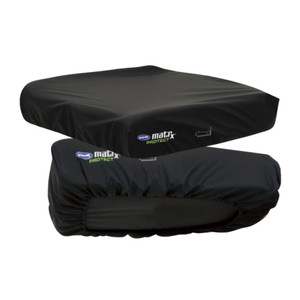
Cover materials and features vary by cushion and may include breathable, moisture-resistant, high-stretch, fluid-resistant, or wipeable surfaces. Protective slipcovers and inner liners are also available for certain cushions when additional moisture or infection-control protection is needed.
For fitted replacement covers and protective cover options, browse our wheelchair cushion covers.
Positioning Accessories
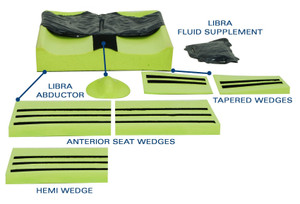
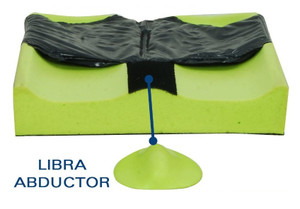
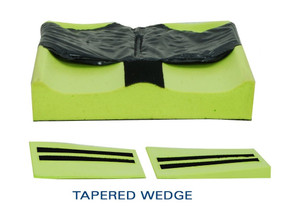
Positioning accessories can modify the shape or support characteristics of a compatible cushion to address specific seating needs. Depending on the cushion system, available components may include anterior seat wedges, lateral wedges, tapered wedges, abductors, and other foam positioning inserts.
These accessories can be used to provide additional support for the pelvis or lower extremities, increase contour, address asymmetry, or help manage forward sliding.
Because positioning changes affect how the user is supported on the cushion, selection and placement should be based on the user's individual seating needs and, when appropriate, guidance from a qualified seating professional.
Cushion Rigidizers
A wheelchair cushion performs best when it rests on an appropriate support surface. On wheelchairs with fabric sling upholstery, stretching or sagging of the seat upholstery can allow the cushion to bow downward rather than remain on a flat base.
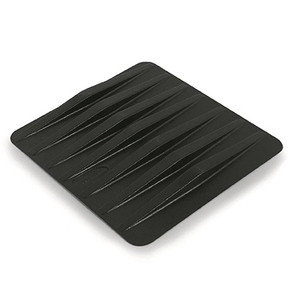
A cushion rigidizer sits between the sling seat and cushion to provide a firmer, more stable support surface. Rigidizers are available in different sizes and should be selected according to the cushion dimensions and wheelchair seating configuration.
A rigidizer is intended for wheelchairs with sling seat upholstery and is generally not needed when the wheelchair already has a rigid seat pan.
Replacement Cushion Components
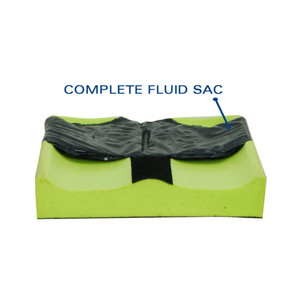
Some wheelchair cushion systems have individual components that can be replaced or supplemented without replacing the complete cushion.
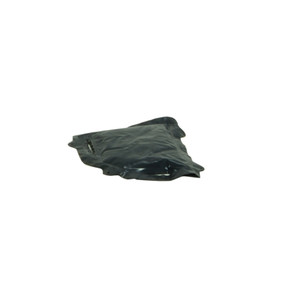
Depending on the model, these may include replacement fluid sacs, supplemental fluid packs, fit kits, positioning components, or other wheelchair cushion parts and accessories. These products are usually designed for a particular cushion family, so model compatibility is especially important when ordering.
Replacing an individual component can be useful when the cushion itself remains appropriate for the user but a replaceable part is worn, damaged, or needs to be adjusted as part of the seating setup.
How to Choose Wheelchair Cushion Accessories
Identify What You Need the Accessory to Do
Start with the reason you are shopping.
If the original outer cover is worn or you want a spare, look for a model-specific replacement cover. If a sling seat is sagging underneath the cushion, a rigidizer may provide the stable support surface you need. For positioning changes, look at compatible wedges, abductors, and fit components. If an existing cushion component needs replacement, select the corresponding part for that cushion model.
Check Cushion Compatibility
Many wheelchair cushion accessories are model-specific. A positioning component, replacement fluid sac, or fitted cover designed for one cushion should not be assumed to work with another.
Check the cushion manufacturer, model, and size before ordering. If that information is unclear, look for the product label or contact us with the available cushion information so compatibility can be confirmed.
Check Size and Configuration
Some accessories are offered in different sizes or configurations based on cushion dimensions. Others use orientation or placement designations rather than traditional sizing.
Review the individual product specifications before ordering, particularly for rigidizers, replacement covers, fluid components, and positioning accessories.
Consider Whether Professional Seating Guidance Is Appropriate
Accessories that change cushion contour or positioning can affect pelvic and lower-extremity support. If an accessory is being selected to address posture, asymmetry, sliding, pressure management, or another clinical seating concern, consultation with a qualified wheelchair seating professional may be appropriate.
Frequently Asked Questions
What are wheelchair cushion accessories?
Wheelchair cushion accessories are products used with an existing wheelchair cushion for protection, maintenance, positioning, support, or component replacement. They may include replacement covers, protective slipcovers, rigidizers, positioning wedges, abductors, fit components, fluid accessories, and other cushion-specific parts.
Do wheelchair cushion accessories fit any cushion?
No. Compatibility varies by product. Many fitted covers, positioning components, and replacement parts are designed for specific cushion models, while products such as rigidizers may be selected according to cushion dimensions and wheelchair seat configuration.
Always review the compatibility information for the individual accessory before ordering.
What is the difference between a cushion cover and a cushion accessory?
A wheelchair cushion cover is one type of cushion accessory. It protects the cushion and provides the outer seating surface but generally does not alter the cushion's underlying pressure-management or positioning characteristics.
Other cushion accessories may change the support surface, add positioning features, or replace components within a compatible cushion system.
What does a wheelchair cushion rigidizer do?
A cushion rigidizer provides a firm support surface beneath the cushion when it is used on a wheelchair with sling seat upholstery. It helps prevent the cushion from following the sag or curve of stretched upholstery and provides a flatter, more stable base.
Can positioning accessories change how a wheelchair cushion supports the user?
Yes. Wedges, abductors, and other positioning components can change the contours or support characteristics of a compatible cushion. Depending on the accessory, they may provide additional support, accommodate asymmetry, increase contour, or help manage sliding and lower-extremity positioning.
Because these changes can affect the user's seating position, proper selection and placement are important.
Can I replace a cushion component without replacing the whole cushion?
For some cushion systems, yes. Replacement fluid sacs, supplemental fluid components, covers, liners, and positioning parts may be available separately.
Compatibility should be confirmed before ordering, and replacing an individual component should not be used as a substitute for replacing a cushion that is no longer appropriate or serviceable.
Find the Right Accessory for Your Cushion
Start by identifying your cushion model and what you need the accessory to accomplish. Consider whether you are replacing a worn component, adding positioning support, improving the surface beneath the cushion, or adding protection for cleaning and everyday use.
Because compatibility can depend on the cushion model, size, and configuration, review the individual product specifications before ordering. If you are unsure which accessory is appropriate, contact Aracent Healthcare with the cushion manufacturer, model, size, and the component you are trying to replace or adjust, and we can help narrow the available options.